
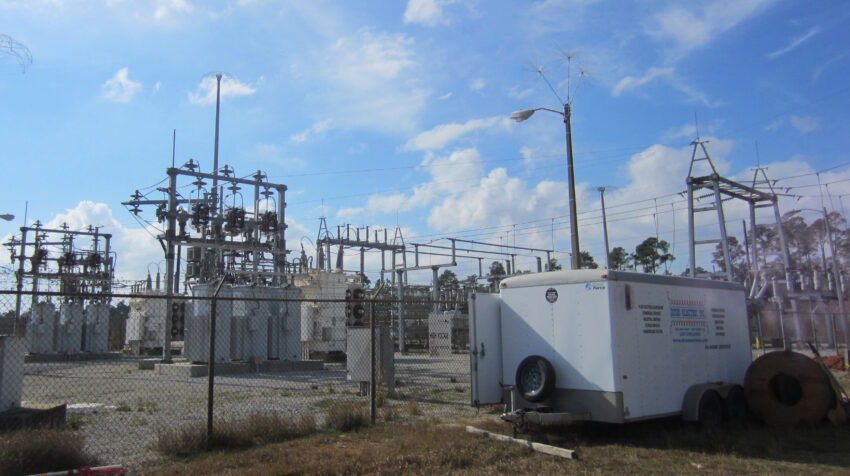
Pulp and paper mills are generally susceptible to lightning strikes and their secondary effects because of a combination of their physical structures, operational processes, and locations. Many pulp and paper mills are in regions with high thunderstorm frequency, especially in areas with humid, subtropical, or temperate climates. Even in areas with infrequent thunderstorms, severe lightning events can still occur, leading to catastrophic damage, injury, downtime, and unpermitted emissions or discharges due to process upsets.
This is leading many pulp and paper mills to adopt lightning defense strategies designed to protect structures, equipment, and personnel. However, with many technological advances since the invention of the Franklin Lightning Rod more than 250 years ago, navigating the maze of potential lightning protection solutions can be daunting.
Due to the wide range of available technologies, mounting an effective defense against lightning-related threats typically requires a tailored strategy that integrates multiple solutions, each having its own specific purpose for minimizing damage or avoiding it altogether.
According to Joe Lanzoni, vice president of sales at Lightning Eliminators & Consultants, Inc. (LEC), the most effective defense is to prevent a lightning strike from occurring. This is a far superior solution than a lightning rod-based system that attracts lightning to the protected site and then attempts to manage the strike.
Lightning occurs when the difference in potential between storm clouds and the earth reaches a critical level, triggering an electrical discharge. For lightning to strike, it requires a connection between a downward leader from the cloud and an upward streamer from the ground.
The Dissipation Array System® (DAS®) from LEC is designed to prevent direct lightning strikes within its designated protection area by lowering the electric field to levels below those required for lightning to form. DAS can be integrated with a wide range of structures, including buildings, towers, tanks, and stacks.
Since its inception, over 3,500 DAS installations have been deployed worldwide, accumulating more than 77,000 system years of effective performance. Testimonials from industry leaders confirm its effectiveness, with companies reporting significant reductions in maintenance costs and improved reliability. DAS is 99.8% effective in eliminating strikes.
In addition to lightning prevention technologies, Lanzoni says most pulp and paper mills require a combination of solutions that can only be determined through a comprehensive evaluation of each facility’s current protection measures, grounding systems, and overall risk exposure. This can include other types of lightning protection and lightning avoidance technologies, as well as proper grounding and surge protection.
“Rather than offering a one-size-fits-all solution, lightning protection and mitigation recommendations should be tailored to a facility’s unique vulnerabilities, whether that involves bonding solutions for storage tanks, direct strike avoidance, secondary damage caused by a nearby strike or grounding improvements,” says Lanzoni.
By conducting a thorough site assessment, LEC helps facilities identify vulnerabilities and implement customized mitigation strategies, whether that means improving grounding, adding targeted surge protection, or implementing direct strike mitigation solutions.
For more information: call 303-447-2828; email info@lecglobal.com; or visit lightningprotection.com.