
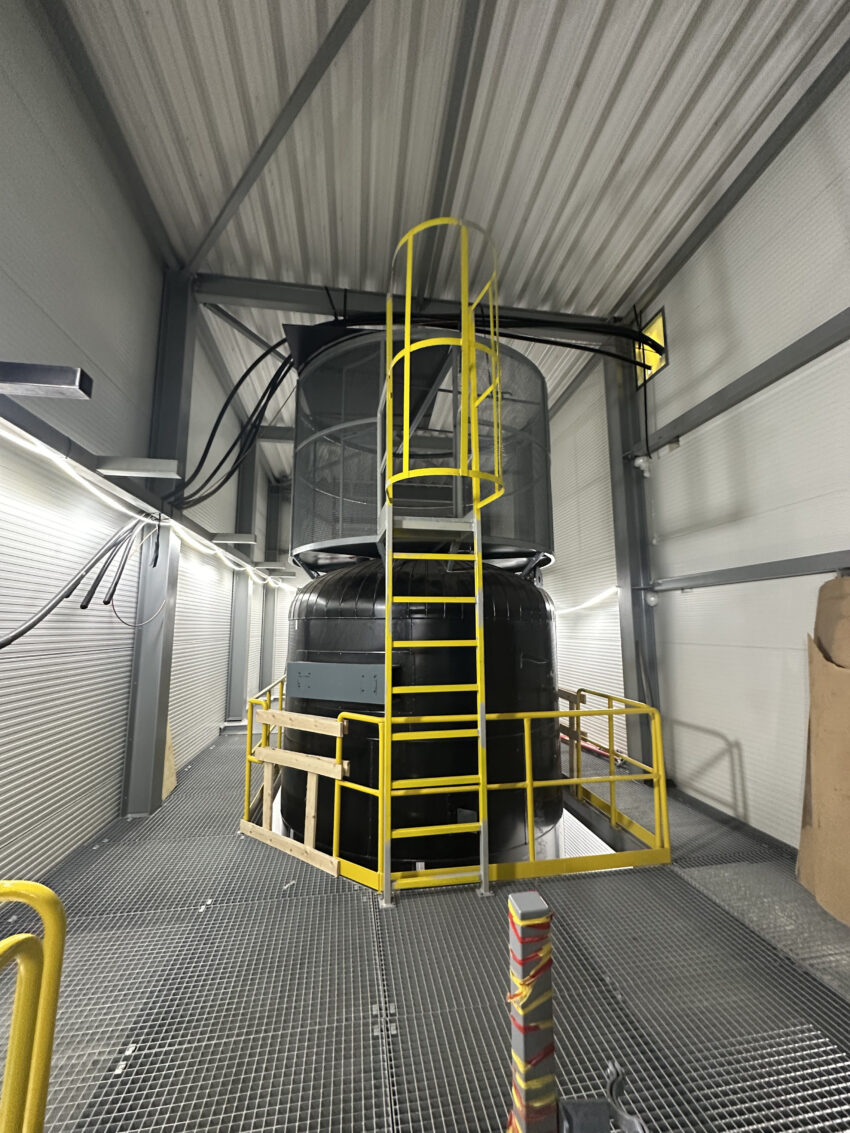
At the forefront of the EU’s transition, Finland is accelerating its clean energy agenda by deploying high-efficiency electrode boilers across critical heat networks.
High-voltage electrode boilers are quietly becoming a key part of the European continent’s clean energy transition. In countries like Finland, these systems are being deployed to support decarbonization goals, reduce emissions from heating networks, and help stabilize power grids increasingly powered by variable renewable sources.
As the EU advances its Green Deal and REPowerEU initiatives, technologies like high-voltage electrode boilers provide a practical way to convert surplus renewable electricity into useful heat while supporting the shift away from fossil fuels.
Finland is directing a significant portion of the approximately €500 million it has already received toward modernizing its energy infrastructure, with a particular emphasis on the deployment of high-efficiency electric boilers.
Modern high-output electrode boilers are CE-marked systems designed to generate steam or hot water using high-voltage electricity, with output capacities reaching up to 60 MW and steam production pressures as high as 32 barg. These systems deliver zero emissions at the point of use, offer full modulation from zero to 100 percent output, and feature flexible configurations—including jet-type and immersed electrode designs—suitable for both new installations and retrofit projects in industrial and district heating applications.
Across Europe, high-voltage electrode boilers are emerging as essential tools in the continent’s clean energy transition. These systems convert surplus renewable electricity into steam or hot water, helping reduce emissions from industrial and district heating applications.
Electrode boilers deliver zero emissions at the point of use and provide full modulation from 0–100% output. Their rapid responsiveness enables grid stabilization by absorbing excess electricity during times of high renewable generation, reducing curtailment and balancing supply-demand mismatches. Finland’s growing wind energy capacity—nearly 7,000 MW by the end of 2023—makes this capability critical.
These boilers also allow facilities to capitalize on negative electricity prices by participating in the reserve market, where consumers are paid to absorb surplus power. According to CTI Vice President Juha Mäntynen, a 50 MW boiler can generate up to €150,000 in one hour under favorable conditions.
CT Industrial Oy (CTI) and Acme Engineering have partnered to expand boiler deployment across Finland and Europe. Acme’s CE-marked systems, including jet-type, immersed electrode, and horizontal hot water boilers, support both new and retrofit projects. Recent installations include a 10 MW boiler in Jepua, a 15 MW boiler in Honkajoki, and two 50 MW boilers slated for Kajaani. One innovative design uses a single set of boilers to deliver two different thermal outputs without doubling the boiler capacity.
For more info, contact:
Robert Presser at Acme Engineering at e-mail: rpresser@acmeprod.com, phone: +1 (518) 236-5659, or web: https://acmeprod.com/high-voltage-electrode-steam-boiler/.
Juha Mäntynen at CT Industrial Oy at email: juha.mantynen@cti.fi, phone +358 50 440 3885, or web: www.cti.fi.